Ledger Bitcoin Recovery: Firmware and Security Update Procedures
Recovery safety measures ensuring secure restoration and protection.
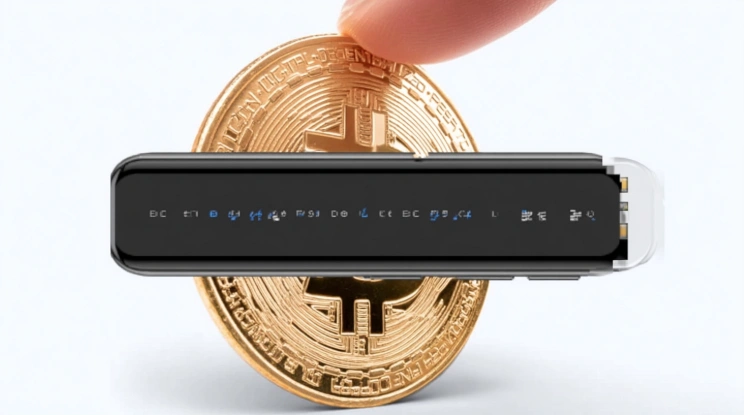
Ledger Bitcoin Recovery requires attention to firmware update BTC status ensuring current security protections during restoration procedures. The recovery safety measures include verifying software integrity before beginning sensitive operations involving private keys. Understanding firmware requirements ensures secure restoration while maintaining cold storage protection throughout the process.
Firmware updates address discovered vulnerabilities and improve functionality. Outdated firmware during recovery could expose cryptocurrency to known attack vectors. Proper update procedures before recovery maximize protection while restoring hardware wallet access.
This firmware overview covers version verification, update procedures, credential setup, security verification, and prevention strategies for complete crypto security across all supported coins via USB-C or Bluetooth connection.
Check Ledger Firmware
Check Ledger Firmware status before initiating Ledger Bitcoin Recovery to ensure current protection levels for firmware update BTC assessment. The latest update availability indicates whether patches exist while verified signature confirms authentic software. Firmware verification establishes security baseline for recovery safety measures implementation.
Current firmware provides best available protection. Recovery on outdated firmware may expose private keys to addressed vulnerabilities for cold wallet security.
Latest Update
| Firmware Element | Check Location | Action Required |
|---|---|---|
| Current version | My Ledger section | Document version |
| Available update | Ledger Live display | Note if available |
| Release date | Release notes | Assess currency |
| Security patches | Changelog | Review fixes |
| Compatibility | App requirements | Verify support |
Latest update verification ensures current protection for firmware update BTC assessment. The Ledger Bitcoin Recovery benefits from updated firmware for private keys via USB-C.
Verified Signature
- Ledger devices verify firmware signatures automatically
- Invalid signatures prevent installation
- Secure element validates cryptographic proofs
- Genuine check confirms overall authenticity
- Green checkmark indicates valid verification
- Failed verification requires support contact
- Never bypass signature requirements
Verified signature ensures authentic software for recovery safety measures compliance. The hardware wallet signature verification protects cold storage from malicious firmware unlike Trezor or KeepKey signature handling across all supported coins.
Update Before Recovery
Update Before Recovery addresses firmware update BTC procedures ensuring current protection before Ledger Bitcoin Recovery execution. The Ledger Live update process coordinates installation while device connection steps ensures proper communication. Pre-recovery updates maximize recovery safety measures effectiveness for private keys protection.
Updating before recovery ensures latest protections apply during sensitive operations for cold wallet security.
Ledger Live Update Process
Ledger Live update process installation workflow. Update procedure steps:
- Launch Ledger Live application
- Navigate to My Ledger section
- Connect device via USB-C cable
- Enter PIN on device
- Check for available firmware update
- Review update details and changelog
- Click install if update available
- Follow on-screen prompts
- Do not disconnect during installation
- Verify completion through genuine check
Ledger Live update process coordinates firmware update BTC installation for recovery safety measures. The Ledger Bitcoin Recovery preparation ensures current protection for cold storage via USB-C or Bluetooth.
Device Connection Steps
| Step | Action | Verification |
|---|---|---|
| 1 | Use quality USB-C cable | Secure physical connection |
| 2 | Connect directly to computer | Avoid USB hubs |
| 3 | Power on device | Screen activates |
| 4 | Enter PIN when prompted | Device unlocks |
| 5 | Launch Ledger Live | Application opens |
| 6 | Check device recognition | Device appears in app |
Device connection steps ensures reliable communication for firmware update BTC completion. The Ledger Bitcoin Recovery requires stable connection for private keys access via USB-C across all supported coins.

PIN and Passphrase Setup
PIN and Passphrase Setup establishes access control following firmware update BTC and Ledger Bitcoin Recovery procedures. The strong PIN creation addresses primary security while optional passphrase guidance covers advanced protection. Credential setup completes recovery safety measures implementation for cold wallet security.
Proper credentials prevent unauthorized access after recovery for private keys protection.
Strong PIN Creation
- Select 6-8 digit length for security
- Avoid sequential numbers entirely
- Never use repeated digits
- Exclude personal dates or patterns
- Create unique combination
- Memorize without written record
- Test before reliance
- Enter only on device screen
Strong PIN creation establishes access control for firmware update BTC protected recovery. The Ledger Bitcoin Recovery PIN prevents unauthorized access for crypto security via USB-C.
Optional Passphrase Guidance
| Feature | Function | Consideration |
|---|---|---|
| Hidden wallet | Separate derivation | Additional security |
| Plausible deniability | Decoy standard wallet | Theft protection |
| Complexity | Any string valid | User management |
| Recovery | Required with phrase | Both needed |
| Risk | Lost means permanent loss | Careful handling |
Optional passphrase guidance provides enhanced recovery safety measures protection. The Ledger Bitcoin Recovery passphrase creates advanced security for private keys unlike Trezor or KeepKey passphrase options across all supported coins.
Security Verification Post-Recovery
Security Verification Post-Recovery ensures successful Ledger Bitcoin Recovery completion with proper protection established for ongoing cold storage security. The confirm recovery success validates restoration while account balance check verifies complete access. Verification concludes firmware update BTC and recovery process for private keys protection.
Verification confirms successful recovery before resuming normal operations for cold wallet security.
Confirm Recovery Success
- All expected accounts appear in Ledger Live
- Genuine check passes with green checkmark
- Device responds correctly to commands
- PIN functions as configured
- Passphrase creates expected hidden wallet
- Firmware version current
- Apps install successfully
Confirm recovery success validates recovery safety measures completion. The Ledger Bitcoin Recovery verification ensures cold storage access for private keys via USB-C or Bluetooth.
Account Balance Check
Account balance check verification requirements. Validation process:
- Open each cryptocurrency account
- Compare balance to previous records
- Verify transaction history matches
- Check pending transactions status
- Confirm address derivation correct
- Test small receive transaction
- Verify small send transaction
- Cross-reference with blockchain explorer
- Document verification completion
- Resume normal operations
Account balance check confirms complete firmware update BTC protected recovery. The Ledger Bitcoin Recovery verification ensures accurate cold storage access across all supported coins.
Prevention Strategies
Prevention Strategies implements protection preventing future Ledger Bitcoin Recovery necessity through proactive security measures. The anti-phishing measures addresses common attack vectors while multi-device redundancy provides backup options. Prevention planning reduces recovery safety measures frequency requirements for crypto security.
Proactive protection minimizes recovery situations for private keys safety.
Anti-Phishing Measures
| Strategy | Implementation | Effectiveness |
|---|---|---|
| URL verification | Check before entering | Very High |
| Bookmarks | Use saved links only | High |
| Email caution | Ignore unsolicited | High |
| Device trust | Verify on hardware | Very High |
| Support channels | Official only | Very High |
Anti-phishing measures prevents firmware update BTC related attacks targeting users. The recovery safety measures awareness protects cold storage from social engineering via USB-C unlike Trezor or KeepKey phishing prevention.
Multi-Device Redundancy
- Maintain backup hardware wallet device
- Configure identical wallet access
- Store devices in separate locations
- Enable quick migration capability
- Reduce single point of failure
- Support emergency access needs
- Plan for inheritance scenarios
Multi-device redundancy strengthens Ledger Bitcoin Recovery preparedness. Backup devices provide immediate access during recovery situations for private keys via USB-C or Bluetooth across all supported coins.
For secure recovery methods, see our Secure Recovery of Ledger Bitcoin. For common mistakes, visit Common Mistakes During Bitcoin Recovery.